Gnome 3d SVG Laser Cutting BUNDLE: Wall Decor & Laser Cutting Review
When a client approaches me with a request for a handmade business product line that feels both whimsical and structurally sound, my first instinct is always to scrutinize the vector integrity of the assets I am considering. Recently, I was tasked with developing visual concepts for a boutique brand launching a series of seasonal home accents. The brief called for something tactile, charming, and technically precise enough for laser cutting. This led me to evaluate the Gnome 3d SVG Laser Cutting BUNDLE, a design asset marketed heavily toward crafters and digital sellers. As a professional designer who bridges the gap between digital creation and physical production, I needed to determine if this bundle could hold up under the rigorous demands of real client work, or if it belonged solely in the realm of hobbyist projects.
First Impressions: Mood and Visual Identity
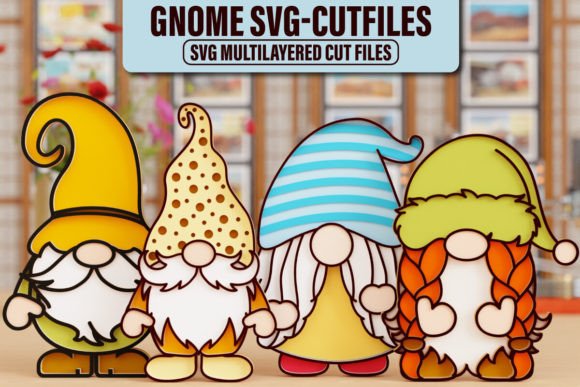
The immediate visual impact of the Gnome 3d SVG Laser Cutting BUNDLE is one of cozy, narrative-driven charm. Unlike flat, generic clipart, these illustrations possess a sense of depth and character that suggests they were designed with physical layering in mind. The style leans into modern design trends that favor illustrative warmth over stark minimalism. For a small business branding project focused on emotional appeal and audience engagement, this aesthetic hits the right notes. It evokes feelings of nostalgia and comfort, making it an ideal candidate for seasonal campaign visuals or printable wall art intended for family-oriented spaces.
However, from a design judgment perspective, the "3D" aspect in the title refers more to the stylistic suggestion of volume rather than actual extruded geometry. The files rely on layered silhouettes to create the illusion of dimension when cut. This distinction is crucial for any designer planning to use these assets in packaging design or product mockups. You are not buying a 3D model; you are buying a sophisticated set of vector shapes that require strategic placement to achieve the desired effect. This makes it less suitable for logo design where simplicity is paramount, but excellent for supporting brand elements in a broader identity system.
Technical Versatility Across Formats
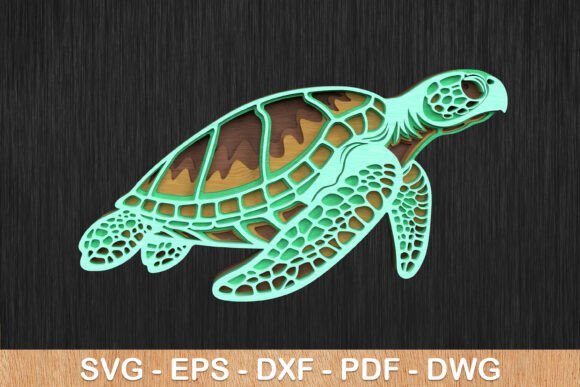
One of the strongest selling points of this design bundle is its comprehensive file variety. In my workflow, compatibility is everything. The inclusion of Ai, EPS, SVG, PNG, PDF, DXF, and DWG files ensures that the asset can be integrated into almost any creative software ecosystem. For those working in Adobe Illustrator for high-end brand identity work, the vector files (Ai/EPS/SVG) allow for precise editing of anchor points and color swatches. For users of CNC machines or laser cutters, the DXF and DWG formats are industry standards that ensure accurate material processing.
This versatility supports a wide range of applications. Whether you are creating a Cricut project for local events, generating sticker design sheets for an Etsy product launch, or preparing marketing visuals for social media, having multiple formats reduces friction in the production pipeline. The presence of a high-resolution PNG design also aids in quick previews and web usage, though serious designers will always prioritize the vector source files for scalability.
Application in Real Client Projects
In practice, where does this asset truly shine? My analysis suggests that the Gnome 3d SVG Laser Cutting BUNDLE performs best in large layout areas and decorative accents. Imagine a premium gift box for holiday chocolates featuring a layered gnome illustration as the central hero graphic. Or consider a series of Pinterest pins and Instagram posts where the detailed lines of the illustration draw the eye without overwhelming the text. It adds a touch of personality to editorial design pieces, such as blog headers for lifestyle brands or magazine spreads focused on crafts and home decor.
It is also highly effective for sublimation design on textiles. When printed on tote bags, mugs, or t-shirts, the distinct lines and shapes translate well, provided the print resolution is maintained. For print-on-demand sellers, this bundle offers a ready-made visual hook that can differentiate a store from competitors using generic stock imagery. However, it requires careful integration. It should not be treated as a standalone logo but rather as a component of a larger creative design strategy that includes complementary typography and color palettes.
Strategic Limitations and Careful Usage
No asset is universally applicable, and I must caution against using the Gnome 3d SVG Laser Cutting BUNDLE in contexts that demand strict visual hierarchy or corporate professionalism. In professional corporate materials, such as annual reports or financial presentations, the whimsical nature of the gnome illustrations may undermine the perceived authority and trustworthiness of the brand. Similarly, in minimalist branding projects where every pixel counts, the intricate details might become visual noise.
Furthermore, small sizes pose a significant challenge. If scaled down too far, the fine lines characteristic of laser cutting designs can merge, resulting in a muddy appearance that loses its definition. This is particularly relevant for web design elements like favicons or tiny UI icons. Additionally, on complex backgrounds or low-contrast designs, the asset may fail to stand out. Designers must test contrast rigorously to ensure the illustration remains legible and impactful. Crowded layouts should also be avoided; let the asset breathe with ample negative space to highlight its craftsmanship.
Essential Designer Checks Before Commercial Use
Before incorporating this graphic design asset into a paid client project, several practical steps are non-negotiable. First, always inspect the SVG or vector editability. Check if the paths are closed properly and if layers are organized logically. Messy code can cause issues during laser cutting or printing. Second, preview the asset at both small and large sizes to verify clarity. Third, place it on real product mockups to see how it interacts with textures and lighting.
Color testing is another critical phase. View the design in black and white to assess its structural integrity independent of color. Then, test it against various background colors to ensure sufficient contrast. If the bundle includes a PNG version, check the transparency edges for jagged artifacts. Finally, and most importantly, confirm the commercial license. Ensure that the terms allow for resale or use in end-products sold to clients. Distinguish between personal use licenses and those permitting commercial distribution, as violating these terms can lead to legal complications.
Typography and Cohesion
To maximize the effectiveness of this design bundle, pair it with appropriate typography. A rugged sans serif font can ground the whimsy with modern stability, while a handwritten font might enhance the handmade, artisanal feel. Avoid pairing it with overly ornate display fonts that compete for attention. The goal is to create a cohesive visual hierarchy where the illustration complements the message rather than distracting from it. By thoughtfully integrating these assets into your creative marketplace offerings or client portfolios, you can elevate simple ideas into polished, market-ready products that resonate with audiences seeking authenticity and charm.