3D Wall Shelf Laser Cut Embroidery Review
As a designer who spends more time troubleshooting stitch density than actually designing, I approach every new digital asset with a healthy dose of skepticism. The market is flooded with "cute" designs that look charming on a screen but fall apart under the needle. That is exactly why I decided to put 3D Wall Shelf Laser Cut through its paces before recommending it for any client work or personal craft business inventory.
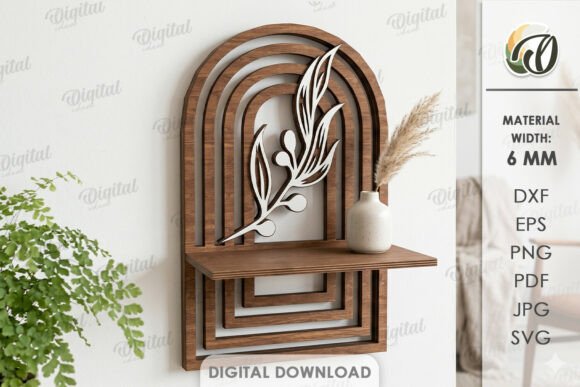
This isn't just another generic floral motif or a standard monogram frame. It falls squarely into the Wall Decor category, specifically leveraging the aesthetic of Laser Cutting. For those unfamiliar, this style mimics the clean, geometric precision of laser-cut wood or acrylic. When translated into thread, it requires a different mindset than traditional organic shapes. It demands structural integrity and clear visual hierarchy. Here is my honest breakdown of how this design performs in real-world embroidery scenarios.
First Impressions: The Visual Personality
The moment you open the file, the first thing that strikes me is the architectural quality of the layout. Unlike freeform patterns that rely on soft gradients or complex shading, 3D Wall Shelf Laser Cut leans heavily on bold lines and defined negative space. This gives it a modern, minimalist vibe that fits perfectly with current trends in nursery decor, boutique home goods, and contemporary apparel.
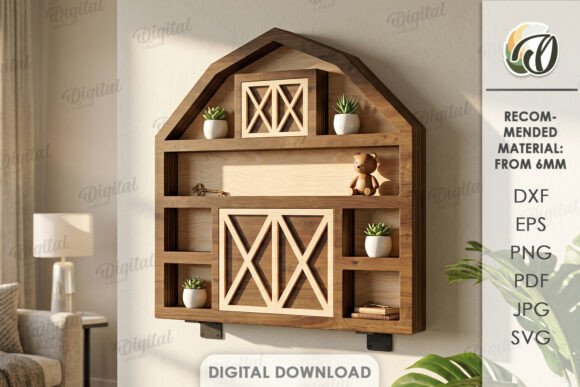
The "3D" aspect of the title suggests depth, which in machine embroidery usually means layering techniques or strategic use of fill stitches to create shadows. In this case, the design uses sharp angles and overlapping geometric shapes to simulate a shelf structure. It feels sturdy. It feels intentional. It doesn’t try too hard to be whimsical; instead, it aims for a sleek, curated look that appeals to customers who appreciate clean lines and organized aesthetics.
For an Etsy seller or small shop owner, this is a high-value visual. It reads as premium. When a customer sees a finished product featuring this design, they don’t see a quick stitch-out; they see a piece of art. This perception directly impacts your ability to charge a higher price point for your handmade products.
Real-World Application: Where Does It Shine?
I tested the versatility of this design across several common project types. The results were mixed but generally positive when used correctly.
- Custom Apparel: On a sweatshirt or heavyweight cotton t-shirt, this design holds up exceptionally well. The structured nature of the "shelf" motif works beautifully on chest placements or centered back prints. It adds a graphic element without overwhelming the garment’s silhouette. Think of it as wearable architecture.
- Home Textiles: This is perhaps the strongest use case. Pillow covers, tea towels, and kitchen aprons are natural homes for this design. Because it mimics physical objects (shelves), it pairs wonderfully with domestic themes. Imagine a set of embroidered tea towels featuring this design alongside simple botanical elements—it creates a cohesive "kitchen collection" vibe.
- Baby and Nursery Items: There is a surprising suitability here for baby blankets or muslin swaddles. The geometric shape is gender-neutral and timeless. It avoids the cliché of overly sentimental quotes or cursive scripts, offering instead a modern, Scandinavian-inspired look that many new parents prefer.
- Accessories: Tote bags and canvas backpacks benefit from the durability implied by the design. The strong lines suggest longevity, which aligns with the reusable nature of these items. It also works well as an embroidered patch for denim jackets or caps, provided the hoop size allows for proper placement.
Technical Challenges and Areas for Caution
No design is perfect, and 3D Wall Shelf Laser Cut has specific areas where a designer needs to exercise caution. If you rush through the setup phase, you risk ruining a good product.
Hoop Size and Placement: This design relies on proportion. If you attempt to digitize or embroider it at a very small scale, the geometric details may merge into a muddy blob. You need enough surface area for the "shelves" to breathe. Avoid using this in tiny hoop sizes unless you are confident in your machine’s ability to handle fine detail resolution. Always test on scrap fabric first to ensure the smallest gaps remain distinct.
Fabric Texture and Stability: Because the design features straight lines and sharp corners, it is less forgiving of fabric distortion than a curvy, organic pattern. Stretchy fabrics like jersey knit can cause the lines to warp if not stabilized properly. You must use a high-quality stabilizer—likely a cut-away for stretchy materials or a tear-away for wovens—to keep the geometry rigid. On textured fabrics like burlap or heavy tweed, the contrast between the thread and the fabric grain might obscure the clean lines, so stick to smoother surfaces for the best effect.
Thread Color Contrast: The success of this design hinges on visibility. Dark threads on dark fabric will disappear, especially in the intricate corner details. Light threads on light fabric will lack definition. I recommend high-contrast combinations, such as white thread on navy, or black thread on cream. If you are experimenting with tonal stitching (e.g., grey on light grey), be prepared for the design to lose its impact. Test your color choices in black and white mockups to check the value contrast before committing to thread spools.
Stitch Density and Construction Notes
When reviewing the stitch data, pay close attention to the stitch density. Designs that mimic laser-cut metal or wood often use dense fills to create solid blocks of color. Ensure your machine can handle this density without breaking needles or tangling thread. If the design includes satin stitches along the edges of the shelves, verify that the tension is balanced to prevent puckering.
Additionally, consider the direction of the fill stitch. Depending on the lighting in your final display, certain angles may cast subtle shadows that enhance the 3D illusion, while others may flatten it. As a designer, I often tweak the angle of the fill stitch slightly during customization to optimize the visual depth for the specific item being produced.
Commercial Viability and Branding
For Etsy sellers, craft business owners, and digital product sellers, this design offers strong commercial potential. It bridges the gap between functional home goods and decorative art. It is highly giftable, making it an excellent addition to holiday collections or wedding favor lists.
However, remember that this is a digital embroidery file. The photos are for inspiration only. Your actual finished product will depend entirely on your execution. To maintain brand consistency, ensure that your finishing touches—such as trimming loose threads and pressing the fabric—are impeccable. A sloppy finish on a clean design undermines the professional aesthetic you are trying to sell.
Before listing this as a small shop product or including it in your design assets bundle, double-check the licensing terms. Confirm whether you have the right to sell finished items made from this design. If you are creating printable mockups for marketing, ensure you have permission to use the digital preview images.
Final Verdict
3D Wall Shelf Laser Cut is a sophisticated, modern design that rewards careful execution. It is not a "set it and forget it" pattern; it requires thoughtful consideration of fabric choice, stabilization, and thread selection. But when done right, it produces a stunningly crisp result that elevates any embroidery project.
I recommend this for designers looking to expand into home decor and modern apparel. It is particularly effective for personalized gifts where a unique, non-traditional aesthetic is desired. Just remember: test thoroughly, stabilize adequately, and let the clean lines speak for themselves. If you respect the geometry, this design will serve your commercial embroidery business well.