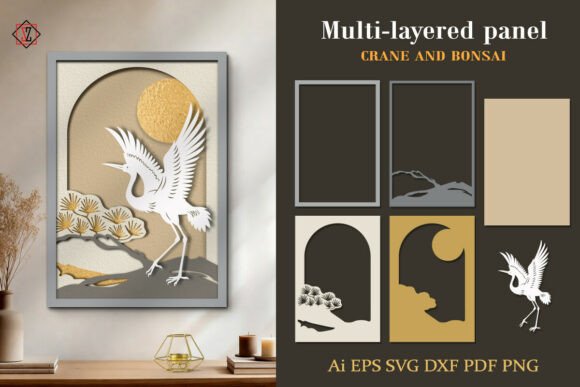
Multi-layered Panel: 3D Paper Cut Art Review
As a designer who spends half my life staring at stitch charts and the other half worrying about thread tension, I don’t just look for "pretty" designs. I look for viability. Can this actually be stitched? Will it hold up in the wash? Does it translate well from a digital screen to a physical textile? When I first pulled up Multi–layered Panel- 3D Paper Cut Art, specifically the crane and bonsai variation, my initial reaction was one of cautious optimism. The aesthetic is undeniably strong—rooted in Japanese minimalism with that exquisite multi-layered depth—but translating paper-cut aesthetics into machine embroidery requires a specific kind of technical precision.
The Visual Impact and Mood
The moment you see the file, the mood is set. It isn’t loud or chaotic; it is refined, graceful, and serene. The silhouette of the crane combined with the structured lines of the bonsai tree creates a natural balance that appeals to a wide range of customers. For an Etsy seller or a boutique owner, this visual personality is gold. It signals quality, mindfulness, and artistic intent without screaming for attention.
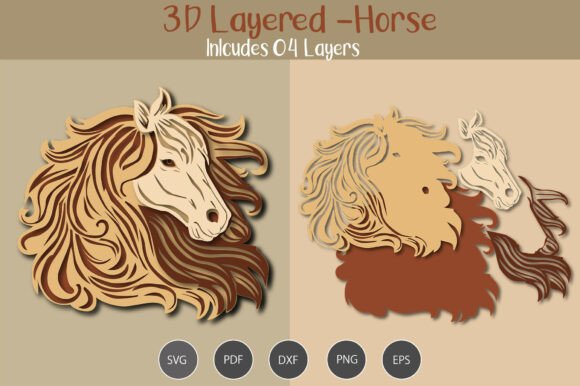
In terms of layout, the design relies on negative space and distinct layering. This is where the "paper cut" style shines. Unlike traditional floral fills that can become muddy if the stitch density is off, this graphic relies on clean edges and defined shapes. It feels like a high-end art print waiting to happen. For a handmade product, this level of detail elevates the perceived value immediately. A customer browsing online sees this on a mockup and thinks, "This looks expensive," even before they touch the fabric.
Real-World Application: Where This Design Fits
I’ve been testing this concept across several potential use cases, and the versatility is surprising. Let’s talk about a specific scenario: preparing a custom embroidered tote bag for a local craft fair.
Imagine a sturdy canvas tote in a neutral oatmeal or deep navy color. Placing the Multi–layered Panel- 3D Paper Cut Art design in the center, perhaps slightly offset, creates a focal point that doesn’t overwhelm the bag’s utility. The crane’s wings could be rendered in a subtle metallic thread to catch the light, while the bonsai uses a matte earth tone. This combination works beautifully because the design has enough structural integrity to stand out against the rough texture of canvas.
But it doesn’t stop there. This design is equally compelling for:
- Sweatshirt Embroidery: On a heavy cotton fleece, the layered look adds dimensionality that soft fabrics crave. It turns a basic hoodie into a statement piece.
- Baby Embroidery: The gentle curves of the crane and the organic shape of the bonsai are perfect for nursery decor or baby blankets. It avoids the cliché of cartoon animals, offering something more timeless for parents who appreciate modern aesthetics.
- Applique Design Potential: If your machine supports appliqué, this design could be transformed. Using different fabric swatches for each "layer" of the paper cut would create a true 3D effect that stitches alone might struggle to achieve.
- Kitchen Towels and Aprons: For the home chef who loves Zen aesthetics, a tea towel featuring this motif adds a touch of elegance to daily routines.
For the commercial embroidery professional, this asset is valuable because it bridges the gap between traditional craftsmanship and modern graphic design. It appeals to clients who want personalized gifts but dislike overly ornate or cluttered patterns.
Technical Considerations and Stitch Clarity
Here is where we get practical. The "paper cut" style implies sharp angles and clean lines. In embroidery, sharp angles can sometimes cause puckering if the underlay stitches aren't precise. When evaluating Multi–layered Panel- 3D Paper Cut Art, you need to scrutinize the stitch types.
You will likely encounter a mix of satin stitches for the outlines and fill stitches for the internal details. The key here is stitch density. Because the design mimics thin paper, over-stitching can make it look blobby and lose its delicate character. Conversely, under-stitching may leave gaps that ruin the illusion of solid material. I recommend checking the jump stitches carefully; long jumps across open areas can create unsightly threads on the back of the garment.
If you are using this as an embroidery file for small items like caps or hats, be aware of curved surfaces. The crane’s neck and the bonsai branches have fine details that might distort slightly when stretched over the curve of a hat brim. For these applications, a smaller hoop size is necessary, but you must ensure the smallest details remain legible. If the design elements are too tiny, they will disappear into the fabric weave.
Where to Exercise Caution
Not every project is a good fit for this design. There are specific scenarios where Multi–layered Panel- 3D Paper Cut Art might fail to deliver the expected result:
- Dark Fabrics with Light Threads: While contrast is good, extremely dark backgrounds (like black) with very fine white details can sometimes suffer from visibility issues, especially if the fabric has a heavy twill weave.
- Stretchy Knits Without Proper Stabilizer: If you attempt this on a stretchy jersey t-shirt without a heavy-duty tear-away stabilizer, the tension of the stitching will warp the paper-cut geometry, making the crane look slumped or the bonsai uneven.
- Small Hoop Sizes: As mentioned, intricate corners and tiny text (if included) can become illegible in hoops smaller than 4x4 inches. Always test at the intended scale.
- Frequent Washing: If this is for a product that will undergo industrial laundering, dense satin stitches around complex curves may eventually fray or pull. For durable commercial goods, consider simplifying the inner details or using a more robust stitch pattern.
Designer Notes for Execution
To get the most out of this design, follow these practical steps before committing to your final product:
- Test on Scrap Fabric: Never trust a digital preview entirely. Stitch the design on the actual fabric you plan to sell. Check how the thread colors interact with the material.
- Black and White Mockups: Convert your design to grayscale to check contrast levels. If the layers blend together in monochrome, they will likely lack definition in color.
- Inspect Small Details: Zoom in on the crane’s wingtips and the bonsai foliage. Are there any overlapping stitches that might cause needle breaks?
- Confirm Licensing: Before listing this on Etsy or selling finished goods, verify the commercial usage rights. Some digital embroidery files have restrictions on how many units you can produce.
- Use Proper Stabilizer: Match your stabilizer to the fabric weight. Heavy fabrics need stable backing; light fabrics need lightweight support to prevent distortion.
Final Verdict
Multi–layered Panel- 3D Paper Cut Art is a sophisticated choice for designers looking to add a touch of elegance to their portfolio. It works exceptionally well for custom apparel, personalized gifts, and craft business merchandise that aims for a premium feel. The crane and bonsai theme offers universal appeal, transcending seasonal trends.
However, success depends on execution. Pay attention to your stitch density, choose your fabric texture wisely, and always prioritize clarity over complexity. When done right, this design doesn’t just sit on the fabric—it tells a story. For the small shop owner or creative entrepreneur, it is a powerful tool to build brand consistency and engage buyers who appreciate the intersection of traditional art and modern craft.
Whether you are creating a handmade product for a loved one or scaling up production for a boutique branding line, this design provides a solid foundation. Just remember: the best embroidery is invisible in its technique but undeniable in its impact. Test thoroughly, stitch confidently, and let the art speak for itself.