Cute Monster DIY 3D Papercraft: A Designer’s Review of This 3D SVG for Animals
When a client approaches me with a request for a brand identity that feels handmade, warm, and distinctly playful, my first instinct is usually to look for textures or hand-drawn illustrations. However, lately, I have been exploring how 3D SVG assets can bridge the gap between digital precision and tactile charm. Recently, I evaluated a specific asset titled Cute Monster DIY 3D Papercraft to determine its viability for a real-world client project. The client was a small business launching a line of organic baby toys and wanted a visual style that screamed "safe," "fun," and "artisanal."
This review breaks down how this graphic design asset performs in professional workflows, where it shines, and where it might cause friction in your brand identity system.
First Impressions: The Mood and Visual Language
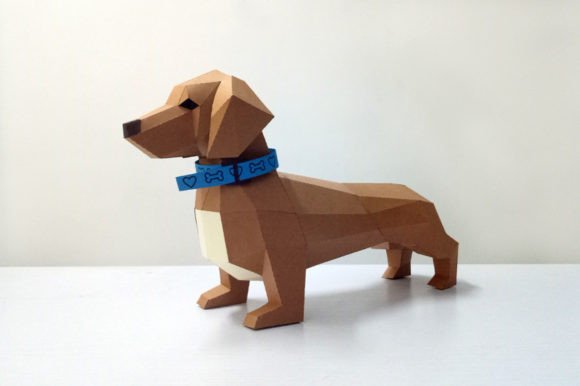
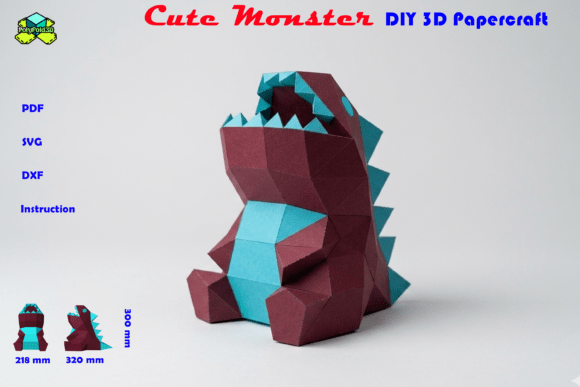
At first glance, the Cute Monster DIY 3D Papercraft template does exactly what it promises: it evokes the feeling of a physical craft project. The visual language is rooted in the Animals category but stylized through the lens of a friendly, approachable monster. For a designer, the immediate appeal is the handmade charm it brings to a screen. It doesn’t feel like a generic clipart; it feels like an illustration that has been cut from cardstock.
The style represents a modern take on editorial design aesthetics mixed with print-on-demand trends. It creates a mood that is inviting and whimsical without being childish in a cheap way. For the baby toy client, this was perfect. It suggested safety (rounded shapes) and creativity (the papercraft aspect). If you are designing for a small business branding project that needs to stand out on social media, this asset provides an instant emotional hook. It tells the viewer, "This product is made with care."
Practical Application in Real Client Projects
In my workflow, I rarely use a single asset as the sole logo. Instead, I look for versatile design assets that can support a broader visual system. Here is how the Cute Monster DIY 3D Papercraft performed across various design scenarios:
- Packaging Design: This is where the asset truly excels. When placed on a kraft paper box or a matte-finish label, the 3D SVG elements create a layered effect that mimics actual die-cut packaging. It elevates a simple product into a gift-worthy item.
- Social Media Graphics: For Instagram posts or Pinterest pins, the character acts as a strong focal point. It works beautifully as a sticker design overlay on photos of the product. The distinct outline helps it pop against busy backgrounds.
- Merchandise and T-Shirt Design: The clean lines of the vector format make it ideal for sublimation design. Whether printing on tote bags or mugs, the asset holds up well because the "papercraft" aesthetic translates naturally to fabric textures.
- Web Design and Blog Visuals: In web design, using this as a decorative accent rather than a primary navigation element adds personality to landing pages. It breaks up text-heavy sections effectively.
However, it is important to note that this is not a logo design solution for every industry. It is too specific and stylistically heavy for corporate environments. But for a creative marketplace seller or an Etsy product launch, it is a powerful tool for creating a cohesive design bundle.
Strategic Placement: Where It Works Best vs. Where to Be Cautious
As a designer, knowing where not to use an asset is just as important as knowing where to use it. The Cute Monster DIY 3D Papercraft has specific strengths and limitations regarding visual hierarchy and readability.
Optimal Use Cases
This asset performs best when given breathing room. It should be used in large layout areas, such as hero graphics on a website homepage or as the central image in a flyer. It also serves as an excellent decorative accent for themed collections. If you are creating a seasonal campaign around Halloween or back-to-school crafts, this monster fits seamlessly into a larger narrative. It is particularly effective in marketing visuals aimed at parents, educators, or craft enthusiasts.
Areas Requiring Care
There are several contexts where this asset could undermine a design project if used incorrectly:
- Small Sizes: At very small resolutions, the intricate details of the "papercraft" folds may blur or become muddy. Always preview the asset at 16x16 pixels or smaller to ensure it remains recognizable.
- Crowded Layouts: Avoid placing this over complex backgrounds or busy patterns. The asset relies on contrast and negative space to maintain its 3D illusion. In a crowded layout, it will compete with other elements and dilute the message.
- Minimalist Branding: If your client’s brand is strictly minimalist, clean, and corporate, this playful monster will clash. It introduces a level of whimsy that contradicts sleek, modern minimalism.
- Low-Contrast Designs: Ensure there is sufficient contrast between the monster and its background. On light beige or pastel backgrounds, the shadow effects inherent in the papercraft style may disappear, flattening the image.
Technical Considerations for Professional Designers
Before integrating any SVG design or PNG design into a client deliverable, rigorous testing is required. Here are the practical steps I took during my review:
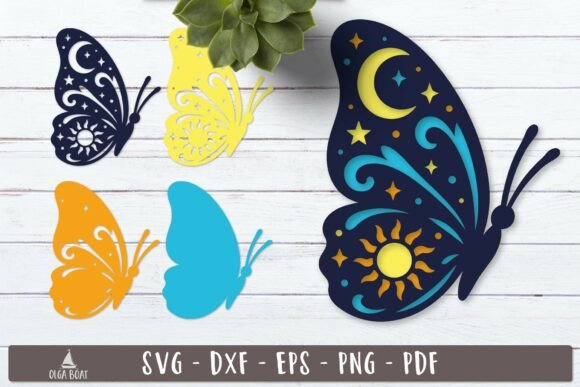
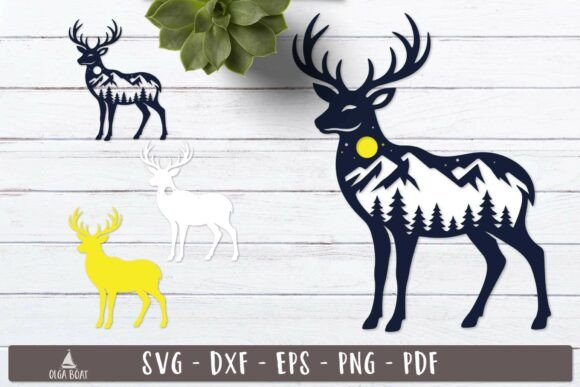
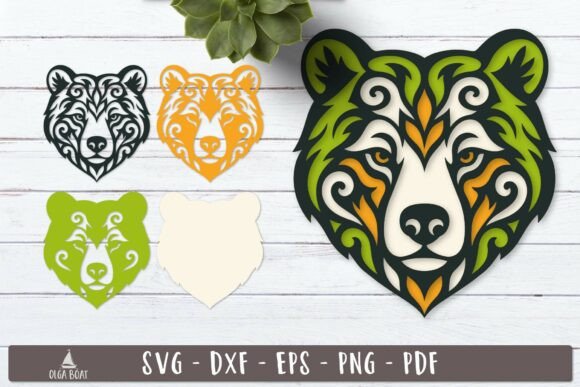
Format Inspection: The asset typically comes in multiple formats, including SVG, DXF, and PDF. For digital products, the SVG is crucial because it allows for infinite scalability without quality loss. I checked the vector editability to ensure I could adjust colors to match the client’s brand palette. If the file includes a PNG version, I inspected the transparency edges for jagged artifacts, which can ruin the polished look of high-end product mockups.
Color and Contrast Testing: I tested the asset in black and white to ensure the structural integrity of the design holds up without color reliance. I also placed it on both dark and light backgrounds to verify that the shadows and highlights maintained their depth. This step is vital for ensuring readability and maintaining a professional impression.
Typography Pairing: To complement the playful nature of the monster, I experimented with different font styles. A bold sans serif font worked well for headlines, providing a modern counterpoint to the whimsical illustration. A handwritten font added to the handmade business vibe, while a display font could be used for special promotional text. I avoided serif fonts, as they often felt too traditional and clashed with the contemporary papercraft style.
Licensing Verification: Finally, and most importantly, I confirmed the commercial license terms. Using a creative design asset for a client project requires explicit permission for commercial use. Without a proper license, even the most beautiful illustration can lead to legal issues. I ensured the asset allowed for modification and resale, which is essential for print-on-demand sellers and agencies.
Final Verdict
The Cute Monster DIY 3D Papercraft is a highly specialized but incredibly effective graphic design asset. It is not a universal solution, but for the right audience—specifically those in the animals niche, children’s products, or craft communities—it delivers exceptional value. It enhances audience engagement by adding a layer of tactile warmth to digital spaces.
For designers looking to expand their toolkit with assets that offer both modern design appeal and nostalgic charm, this 3D SVG is a worthy addition. Just remember to respect its limitations in scale and context, and always prioritize visual trust and brand consistency in your final execution. When used correctly, it transforms a standard project into something memorable and shareable.