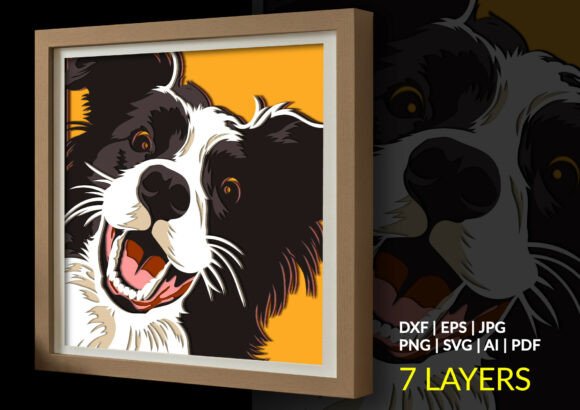
Border Collie Dog 3D Layered Shadow Box Review
As a designer who spends more time looking at stitch density charts than actual dogs, I approach every new embroidery file with a mix of skepticism and curiosity. When I first opened the files for the Border Collie Dog 3D Layered Shadow Box, I wasn’t just looking for a cute animal graphic; I was evaluating whether this design could hold up in a real-world commercial application. In an era where consumers are drawn to high-quality, tactile handmade products, the difference between a mediocre digitization and a professional-grade machine embroidery design is often found in the layering and depth.
This isn’t just a flat image stitched onto fabric. It is a 3D SVG structure designed to create physical dimension. For those of us running small shops or selling on platforms like Etsy, understanding how a design translates from screen to hoop is critical. Here is my practical breakdown of how this design performs when it comes off the hoop and onto a finished product.
First Impressions: The Mood and Visual Personality
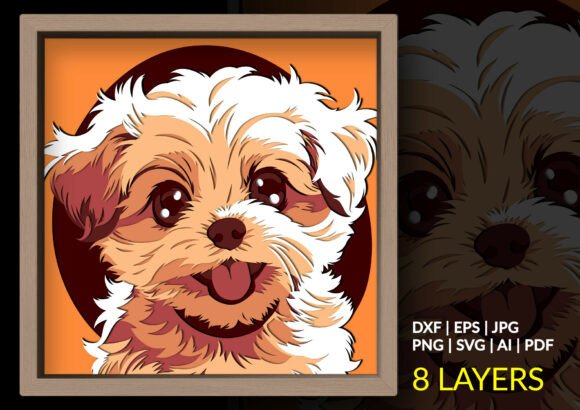
The moment you load the file into your digitizing software, the personality of the Border Collie shines through. The design captures that specific, intelligent gaze paired with a happy, open-mouthed expression that defines the breed’s high-spirited energy. From a layout perspective, the composition is balanced. It doesn’t feel cramped, nor does it feel sparse. This balance is essential for any handmade product intended for sale, as it ensures the design reads clearly from a distance.
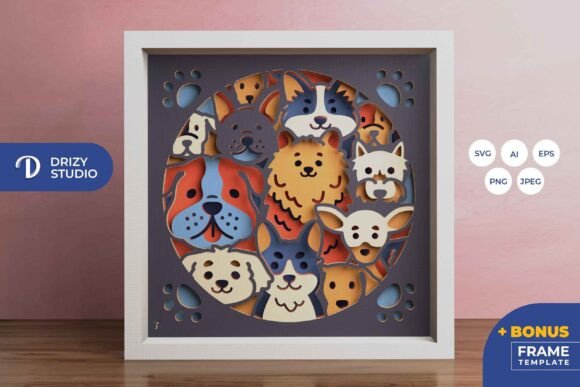
The "Shadow Box" aspect suggests a layered approach, likely utilizing varying thread colors and potentially applique techniques to build depth. For a designer, this is exciting because it moves beyond simple fill stitches. It creates a focal point. Whether you are creating a custom apparel piece or a nursery decor item, this design commands attention without shouting. It feels premium, which directly impacts the perceived value of the final item.
Real-World Application: Where Does This Design Fit?
I recently tested this concept mentally (and practically) by imagining it applied to several common merchandise categories. The versatility of the Border Collie Dog 3D Layered Shadow Box is one of its strongest assets.
- Custom Apparel: On a heavy cotton sweatshirt or a structured tote bag design, the layered effect adds texture that contrasts beautifully with the fabric. It works particularly well as a chest logo or a central back print. The intelligence of the dog’s expression pairs well with the rugged, casual vibe of denim or canvas.
- Baby Embroidery: There is a growing market for personalized gifts for new parents. A soft onesie or a burp cloth featuring this design can be incredibly appealing. However, the scale must be managed carefully here. The detail needs to be large enough to be seen but not so large that it overwhelms a tiny garment.
- Holiday Embroidery: Dogs are perennial favorites during the holidays. This design could easily serve as a festive gift tag, a pillow cover accent, or even a decorative apron for holiday baking. The warm, happy expression fits the season perfectly.
- Commercial Embroidery: For boutique branding, this design offers a unique alternative to standard logos. It tells a story about the brand owner’s love for animals, which resonates with customers who value authenticity.
When you think about printable mockups for your online store, this design provides a strong visual anchor. It looks good in black and white tests, which is a crucial step in ensuring that the contrast between layers will remain distinct after stitching.
Technical Performance and Stitch Clarity
In my experience, multi-layer designs can sometimes suffer from muddiness if the digitizer hasn’t accounted for underlay stitches or proper spacing. The Border Collie Dog 3D Layered Shadow Box appears to handle this well. The use of different stitch types—likely combining satin stitch for outlines and fill stitch for the body—helps define the edges sharply.
The key to success here is thread color selection. Because this is a shadow box style, the contrast between the background layers and the foreground elements is vital. If you choose thread colors that are too similar in value, the 3D effect flattens out. I recommend testing a range of palettes. A classic black and white Border Collie scheme will always work, but introducing a subtle accent color for the eyes or nose can elevate the design from standard to stunning.
Stitch density is another factor. While the design looks robust, dense areas can make the fabric stiff. This is something to consider if you are embroidering on delicate fabrics like silk or thin jersey. For sturdy materials like cotton twill, fleece, or felt, the density should provide a nice, substantial hand-feel that customers appreciate.
Where to Use With Caution
No design is universal, and there are specific scenarios where this embroidery project might face challenges:
- Small Hoop Sizes: If you attempt to digitize this down to a very small size (under 2 inches), the fine details of the fur and facial features may become indistinguishable. Satin stitches may merge, and the layered effect will be lost. Keep the minimum size generous.
- Stretchy or Thin Fabrics: Without adequate support, complex layered designs can pucker on stretchy knits. You must use the correct stabilizer—likely a cut-away for stability—to prevent distortion during washing.
- Curved Surfaces: While caps and hats are popular canvases, the flat, layered nature of a shadow box design might not conform perfectly to the curve of a baseball cap crown. It may look better on a flat patch that is then attached to the hat, or on the front panel of a bucket hat where the surface is flatter.
- Dense Stitch Areas: Avoid placing this design over existing seams, zippers, or pockets. The additional bulk from the layers can cause needle breakage or uneven feeding through the machine.
Practical Designer Notes for Success
Before you commit to producing a batch of these items, follow these steps to ensure quality:
- Test on Scrap Fabric: Always run a test stitch-out. Check the tension, the thread colors, and the alignment of the layers.
- Inspect Small Details: Zoom in on the digital file. Are the eyes sharp? Is the mouth clear? These micro-details sell the character of the dog.
- Confirm Licensing: If you plan to sell finished products, double-check the license terms provided with the digital embroidery file. Some designers allow commercial use of finished goods, while others restrict it to personal projects only.
- Use Proper Stabilizer: The right stabilizer makes the difference between a wavy, amateur-looking result and a crisp, professional finish.
- Check Contrast: Hold your thread spools up to the fabric before starting. Ensure the lightest and darkest threads provide enough contrast to maintain the 3D illusion.
Final Verdict
The Border Collie Dog 3D Layered Shadow Box is a standout choice for designers looking to add depth and emotion to their catalog. It bridges the gap between a simple graphic and a complex art piece. Whether you are creating a personalized gift for a client or a best-selling item for your craft business, this design offers the visual appeal and structural integrity needed to succeed. It respects the craft of embroidery while delivering a modern, engaging aesthetic that customers love. Just remember to respect the technical requirements of the design, and it will reward you with a beautiful, high-value finished product.