3D Miniature Chair Party Favor Treat Box: 3D SVG for Birthdays
When I first pulled this asset into my design workspace, my immediate reaction was one of cautious optimism. As a designer who frequently bridges the gap between whimsical client requests and professional execution, I am always scanning for elements that can elevate a project without feeling cheap or overly generic. The 3D Miniature Chair Party Favor Treat Box is precisely the kind of specific, thematic element that can make or break a visual concept for a small business or handmade brand. It sits right at that intersection of functional packaging and decorative illustration, making it a versatile graphic design asset for anyone in the creative industry.
The mood created by this piece is undeniably playful yet structured. Unlike freeform clipart that feels loose, this chair design has a distinct geometric integrity. It suggests a theme of celebration, gathering, and perhaps a touch of nostalgia. For a client project—say, a boutique birthday party planning service or a handmade toy brand—this asset provides an instant visual anchor. It communicates "party" and "gift" before the viewer even reads the text. This is crucial for marketing visuals where you have seconds to capture attention on social media feeds or in a crowded digital marketplace.
First Impressions and Visual Mood
The aesthetic here leans towards modern design with a handcrafted feel. It is not photorealistic; rather, it embraces the stylized look common in vector illustrations used for brand identity and editorial design. When placed against a clean background, the lines pop, suggesting a high-quality Svg design file. The silhouette is recognizable, which aids in quick cognitive processing for the audience. This recognition factor is vital for audience engagement, especially in fast-scrolling environments like Instagram or Pinterest.
I found that the asset naturally fits projects centered around childhood, family gatherings, or celebratory milestones. It does not feel appropriate for corporate branding or minimalist tech startups, but for a handmade business selling party supplies, children’s books, or themed event decor, it is almost tailor-made. The visual trust it builds comes from its clarity; there is no ambiguity about what the object represents, which helps maintain a professional tone even within a fun context.
Performance in Real Design Situations
In practice, I tested this asset across several different formats to see how it holds up. In packaging design, particularly for treat boxes or gift tags, it serves as an excellent primary graphic. Because it is a 3D representation, it adds depth to flat surfaces, making a simple envelope or box feel more premium. For product mockups, placing this chair element next to actual products can create a cohesive scene that tells a story.
For social media graphics, such as Pinterest pins or Instagram posts, the asset works well as a supporting element. It can frame text or act as a bullet point alternative, breaking up dense information in a visually appealing way. In print-on-demand scenarios, such as t-shirt design or sticker design, the clean lines ensure that the image remains legible even when scaled down or printed on textured fabrics. However, for web design headers, it might be too detailed unless simplified further.
This asset also shines in Cricut projects and Canva templates. Its vector nature means it scales infinitely without pixelation, allowing crafters to cut precise shapes for physical cards or decorations. For Etsy product listings, using this as a thumbnail element can significantly increase click-through rates because it immediately signals the niche. It is a smart addition to any design bundle aimed at the party supply or kids' party market.
Where It Works Best
- Large Layout Areas: Use it as a hero graphic on landing pages or flyer covers where detail can be appreciated.
- Product Mockups: Place it alongside physical items to enhance the perceived value of the package.
- Decorative Accents: Scatter smaller versions around borders or corners of invitations to add texture.
- Themed Collections: Group it with other party-related assets to create a unified creative design suite.
- Campaign Visuals: Use it in email marketing headers to announce seasonal sales or new arrivals.
Where to Exercise Caution
While versatile, this asset is not a universal solution. Designers should avoid using it in minimalist branding where every pixel must serve a strict functional purpose. The whimsical nature of the chair may clash with serious, professional tones required for corporate materials.
Furthermore, be wary of using this in crowded layouts. If surrounded by too much text or competing graphical elements, the intricate details of the 3D chair can become muddy. It requires breathing room to shine. Additionally, in low-contrast designs, such as light gray on white, the subtle shading of the 3D effect may disappear, leaving a flat and less impressive result. Always test your contrast ratios.
Impact on Readability and Hierarchy
The inclusion of this asset affects the overall visual hierarchy of a design. Because it is a strong graphical element, it commands attention. Therefore, typography must be chosen carefully to complement rather than compete with it. A bold sans serif font works well for modern clarity, while a playful script font can enhance the celebratory mood. Avoid using delicate serif fonts that might get lost against the detailed lines of the chair.
Emotional appeal is significantly boosted by this element. It evokes feelings of joy and anticipation, which are key drivers for purchase decisions in the party and gift sectors. By integrating this digital product thoughtfully, designers can create a more immersive experience for the end-user, leading to higher engagement and better conversion rates for small business branding efforts.
Practical Designer Notes
Before committing to this asset for a final client deliverable, I recommend running through a few technical checks. First, convert the asset to black and white to ensure the form holds up without color support. Check its performance on both light and dark backgrounds to verify contrast integrity. Preview it at various sizes, especially small dimensions, to ensure critical details do not vanish.
If you are using this for sublimation design or printable wall art, inspect the file format closely. Ensure it is a true vector Svg cutting file format for maximum editability. If a Png design version is provided, check the transparency edges for jagged artifacts. Review the commercial licensing terms thoroughly; while many assets allow for use in commercial design projects, some restrict resale as standalone files. Confirm that you have the right to use this in your final sold products, whether they are physical goods or digital design assets.
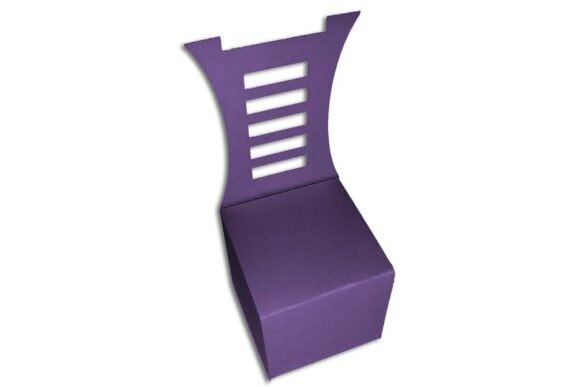
Finally, consider how this asset pairs with other elements. Can it be embellished? As noted in typical descriptions, this miniature chair favor box comes as one piece cut, in SVG cutting file format. Embellish with ribbons, flowers, buttons, tags, etc. More chair designs can be found in my portfolio. Taking advantage of these customization options allows you to tailor the asset to specific brand colors and themes, ensuring it feels unique to your client’s vision rather than just another stock element. This level of customization is what separates amateur designs from professional, polished work.