3D Layered Manta Ray Laser Cut File
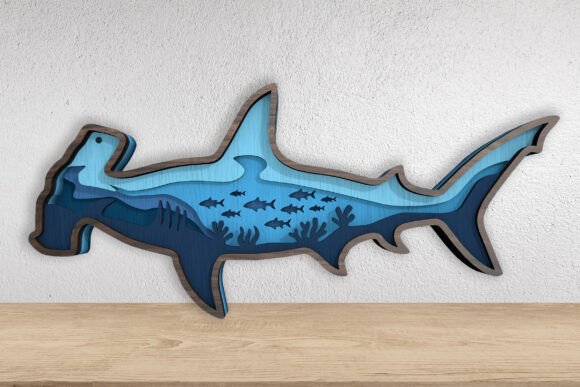
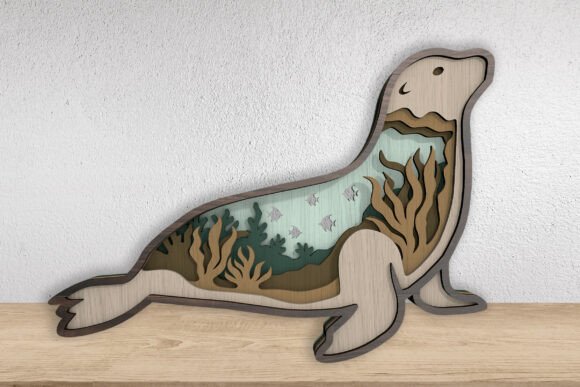
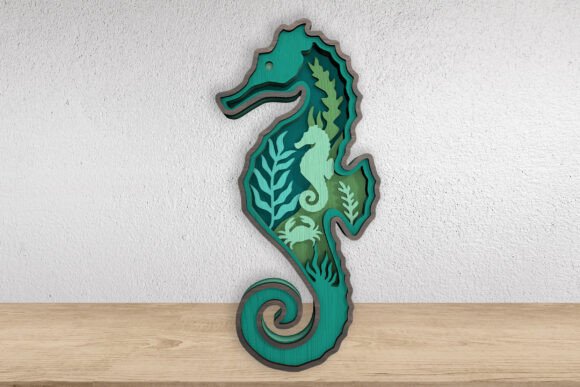
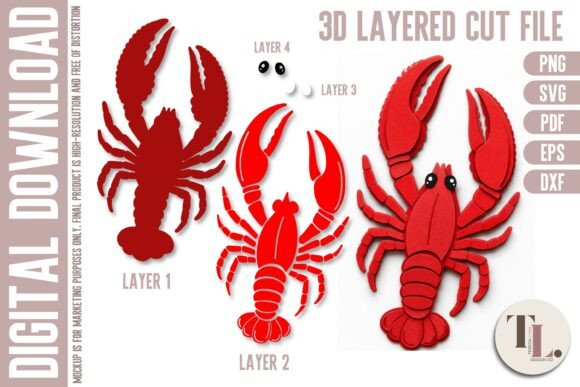
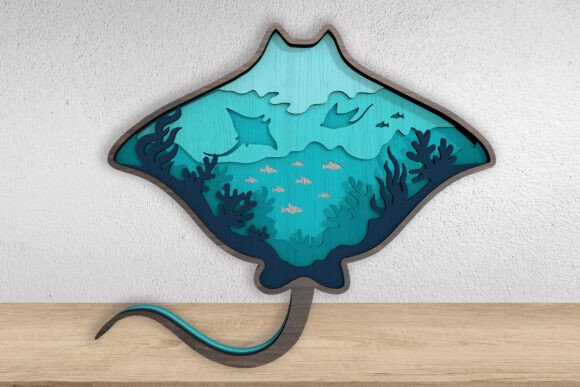
As a designer who spends more time than I care to admit staring at stitch density charts and fabric swatches, I approach every new digital embroidery file with a mix of curiosity and skepticism. The market is flooded with generic clip art disguised as machine embroidery designs, so finding a piece that actually translates well from screen to fabric is rare. That is exactly why I decided to put the 3D Layered Manta Ray Laser Cut File through its paces. This isn’t just another silhouette; it is an intricate, multi-layer stingray manta ray silhouette where an underwater ecosystem is revealed inside its elegant form. It immediately caught my eye not just for its aesthetic appeal, but for the potential complexity it brings to a finished product.
First Impressions: Mood and Visual Personality
The moment you open this digital embroidery file, the mood is set. It feels serene yet dynamic, capturing the graceful glide of a manta ray through deep water. Unlike standard single-layer designs that can look flat or cartoonish when stitched, this design relies on layering to create depth. The concept of revealing an ecosystem within the ray’s body suggests a high level of detail that requires careful execution. Visually, it creates a sense of wonder, making it perfect for brands or products that want to evoke nature, tranquility, or marine life without being overly literal.
For those of us in the craft business, visual personality is everything. A design needs to stand out in a thumbnail image on Etsy or catch the eye at a craft fair. This manta ray design does exactly that. The negative space usage and the internal details give it a sophisticated look that elevates any handmade product. It doesn’t scream for attention; it invites the viewer to look closer, which is a hallmark of high-quality design assets.
Real-World Application: From Screen to Stitch
I don’t review files in a vacuum. I think about where they live in the real world. My primary test case for this machine embroidery design was a custom embroidered tote bag for a boutique client who specializes in eco-friendly beach goods. The goal was to create a tote bag design that felt premium and unique, something a customer would be proud to carry rather than just use as a utility item.
When planning the placement, I considered how the layers would interact with the canvas fabric. The manta ray’s expansive wingspan makes it ideal for larger hoop sizes, allowing the internal ecosystem details to breathe. If you are an Etsy seller looking to expand your catalog, this design fits beautifully into categories like nursery decor, beach-themed apparel, or even sophisticated home accents. Imagine this on a heavyweight sweatshirt for a winter collection, or perhaps as a delicate accent on a linen pillow cover for a coastal-inspired bedroom.
Another scenario that came to mind was creating personalized gifts. The emotional resonance of a manta ray often ties to freedom, grace, or specific personal meanings for ocean lovers. As a personalized gift, this design offers a touch of elegance that generic text-based embroidery cannot match. It transforms a simple apron or kitchen towel into a conversation starter. For holiday embroidery projects, especially around summer or travel seasons, this design could serve as a standout item in a small shop product lineup.
Technical Considerations and Potential Pitfalls
While the artistic vision is strong, practical execution is where many designers stumble. This is a 3D SVG based layout, meaning the visual impact relies heavily on how the layers are separated and stitched. Here are some critical notes for anyone considering using this in their workflow:
- Hoop Size Constraints: Because of the detailed internal ecosystem, you need enough room to work. Attempting to squeeze this into a small hoop size will result in lost detail and potentially frustrated customers. Ensure your hoop size selection matches the scale of the final product.
- Fabric Texture Matters: This design shines on smooth fabrics like cotton, linen, or denim where the stitches can lay flat. On highly textured fabrics, such as heavy terry cloth or boucle, the intricate details might get lost or cause puckering. Always check the fabric texture before committing to a large run.
- Thread Color Contrast: The "underwater" theme works best with blues, teals, purples, and whites. Using low-contrast thread colors on dark fabric can make the internal details disappear. Conversely, bright neon threads might clash with the serene mood. Carefully select your thread colors to maintain the intended atmosphere.
- Stitch Density and Stabilizer: With multiple layers, there is a risk of bulk. You must use a proper stabilizer to support the fabric, especially if working on stretchy materials like caps or hats. Without adequate support, the stitch density could distort the shape of the manta ray, ruining the symmetry.
Where to Use (and Where to Avoid)
This design is versatile, but it has limits. It performs exceptionally well on stable surfaces like sweatshirt embroidery panels, embroidered patch backgrounds, and flat home decor items like tea towels. It also adds a professional touch to commercial embroidery projects for hotels or spas with a marine theme.
However, caution is advised in certain areas. Avoid using this on curved surfaces like baseball caps unless you have extensive experience with 3D puff embroidery or precise applique techniques. The complex internal lines can become distorted on tight curves. Similarly, avoid placing dense stitch areas near tiny lettering or decorative accents, as the visual competition can clutter the design. If you are selling custom apparel, ensure the customer understands that fine details may require higher quality threads and slower stitching speeds.
Final Verdict: Value and Professionalism
From a branding perspective, the 3D Layered Manta Ray Laser Cut File adds significant value. It signals professionalism and attention to detail. When a customer sees a finished product with such intricate layering, their trust in the maker increases. It justifies a higher price point because it clearly required skill and time to produce.
For creative entrepreneurs and makers, this is a smart addition to your library. It allows you to pivot between personal projects and commercial sales seamlessly. Whether you are creating a printable mockup for your online store or producing a batch of holiday gifts, this design provides a reliable, beautiful foundation.
Before you start stitching, remember to test on scrap fabric first. Inspect the small details under good lighting. Check whether the design works for both your personal style and your brand identity. And most importantly, confirm licensing terms if you plan to sell the finished items. By doing your due diligence, you can turn this beautiful applique design into a best-selling item that delights customers and strengthens your reputation in the handmade community.