3D Cowboy Hat SVG
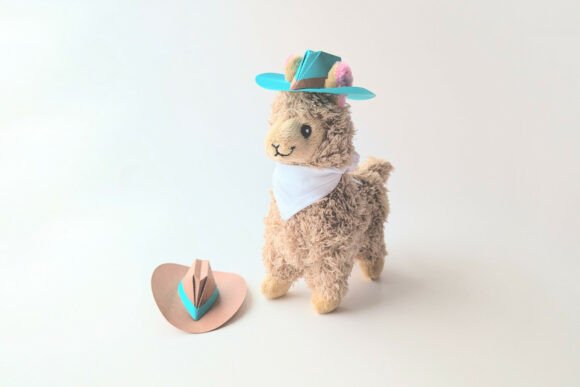
When I first opened the file for the 3D Cowboy Hat SVG, my immediate reaction was a mix of curiosity and caution. As someone who has spent years evaluating digital assets for both personal projects and commercial client work, I know that "3D" in the world of embroidery files can mean two very different things: it can refer to a design that uses puff paint or heavy backing to create raised texture on fabric, or it can refer to a papercraft project that mimics a three-dimensional object. Based on the product description stating this is an adorable mini cowboy hat made out of paper with included instructions, I am looking at this strictly as a papercraft design asset rather than a traditional machine embroidery stitch file.
This distinction is critical. Many crafters and small business owners get confused by terminology. If you are expecting a .dst or .pes file to load into your Brother or Janome machine, you will be disappointed. This is a vector-based digital embroidery file alternative—a template for cutting or printing. However, for the right maker, this 3D Cowboy Hat SVG offers a unique opportunity to bridge the gap between 2D crafting and tactile, dimensional products. Let’s break down how this design fits into real-world scenarios, from Etsy listings to custom gifts.
The Visual Personality and First Impressions
The mood of this design is undeniably playful and rustic. The shape of the cowboy hat carries strong cultural associations—western wear, rodeo aesthetics, country charm, and childhood innocence when scaled down to a "mini" size. For a designer, visual personality is everything. A generic star might feel cliché, but a detailed cowboy hat silhouette has character. It suggests a narrative. When I look at this Objects category item, I see potential for branding consistency in a western-themed boutique or a nursery decor line.
The layout appears clean enough to allow for customization. Because it is a vector format, the lines are crisp, which is essential if you plan to use this as a base for further graphic design work. Whether you intend to add text like "Rodeo Queen" or "Little Buckaroo," the foundational shape provides a strong anchor. The detail level seems appropriate for a papercraft model; overly intricate details often fail when assembled from paper, so keeping the geometry manageable ensures the final finished product holds its shape well.
Real-World Application: From Desk to Delivery
So, where does this 3D Cowboy Hat SVG actually live in a working studio? Let’s imagine a specific scenario. You are preparing for the upcoming holiday season, a time when personalized gifts drive revenue for thousands of Etsy sellers and small shop product creators. You decide to create a set of decorative ornaments or wall hangings featuring western themes.
Using this design, you can print the shapes on cardstock, cut them out, and assemble them into a 3D hat. You could then attach these hats to the front of a felt bag, creating a unique tote bag design that stands out from the sea of flat-printed bags. Alternatively, you might glue the miniature hats onto wooden spoons to create whimsical kitchen utensils, or mount them on canvas for nursery decor. The versatility here lies in the dimensionality. Unlike a standard machine embroidery design that sits flat against the fabric, this papercraft element adds physical depth, making the handmade product feel more premium and thoughtful.
I also see strong potential in the realm of custom apparel accessories. While you cannot embroider the entire 3D structure directly onto a sweatshirt using standard threads, you could use the SVG to create an applique. Cut the hat shape from denim or leather, fuse it to a cotton twill cap, and then use a simple satin stitch around the edge to secure it. This hybrid approach combines the precision of the embroidery file workflow with the tactile appeal of the 3D SVG concept. It elevates a basic sweatshirt embroidery project into something bespoke.
Where to Use It (And Where to Be Careful)
Not every surface is created equal, and understanding the limitations of this design is part of professional practice. This 3D Cowboy Hat SVG works best on stable, flat surfaces during the assembly phase. If you are planning to incorporate this into a personalized gift like a baby blanket, ensure the base material is sturdy enough to support the weight of the paper or fabric components without sagging.
Be cautious with textured fabrics. If you attempt to adhere this design to a heavily napped fleece or a rough burlap, the adhesive may not bond evenly, leading to peeling edges over time. Similarly, thin fabrics like silk or lightweight chiffon are poor candidates because they lack the structural integrity needed to hold the shape of a 3D object. For commercial embroidery clients who request durability, such as items meant for frequent washing, you must consider the longevity of the attachment method. Paper elements should never be washed unless sealed properly with waterproof spray or laminated, which changes the aesthetic significantly.
Another area requiring attention is scale. When converting a digital vector into a physical object, proportions matter. Ensure that the brim and crown ratios remain balanced regardless of the size you output. A hat that is too tall relative to its brim may tip over, ruining the presentation of your craft business display. Always inspect small details before committing to a full production run. Test the assembly on scrap materials first to verify that the tabs and slots (if applicable) fit together snugly.
Practical Designer Notes for Success
To get the most out of this asset, I recommend a few practical steps before you start selling or gifting. First, check the thread color contrast if you plan to combine this with actual stitching. Even though this is a papercraft design, pairing it with complementary thread colors in surrounding embroidery enhances the overall look. For instance, earth tones like brown, tan, and cream will reinforce the western theme, while bright reds or blues can make it pop for a more modern, playful vibe.
Review the stitch density if you are adding any supplementary embroidery. Since this is a design asset for construction rather than just decoration, ensure that any additional stitching does not interfere with the structural integrity of the paper model. Confirm the hoop size requirements if you are digitizing parts of this design yourself, although typically, SVGs are used for cutting machines like Cricut or Silhouette rather than hoops.
It is also vital to test the design in black and white mockups. This helps you evaluate the clarity of the shape without being distracted by color choices. Does the silhouette read clearly at a glance? Is the negative space balanced? These questions determine whether the design will perform well in printable mockups and social media previews. Furthermore, compare light and dark fabric backgrounds if you are using the SVG as a guide for applique work. High contrast usually yields the most professional result.
Final Verdict on Value and Trust
In conclusion, the 3D Cowboy Hat SVG is a charming addition to any crafter’s library, provided you understand its nature as a papercraft template. It excels in creating unique, tactile embroidery project extensions and distinctive holiday embroidery accents. For creative entrepreneurs looking to diversify their offerings beyond standard printed tees, this design offers a low-cost, high-perceived-value way to introduce dimensional elements into your brand consistency.
Customer trust is built on quality and uniqueness. By offering a handmade item that incorporates this clever 3D design, you signal attention to detail and creativity. Buyers are willing to pay a premium for small business merchandise that feels special and one-of-a-kind. Just remember to clarify the usage rights and confirm licensing before selling finished items or digital derivatives. With proper execution, this little cowboy hat can gallop straight into the hearts of your customers and boost your craft business reputation.